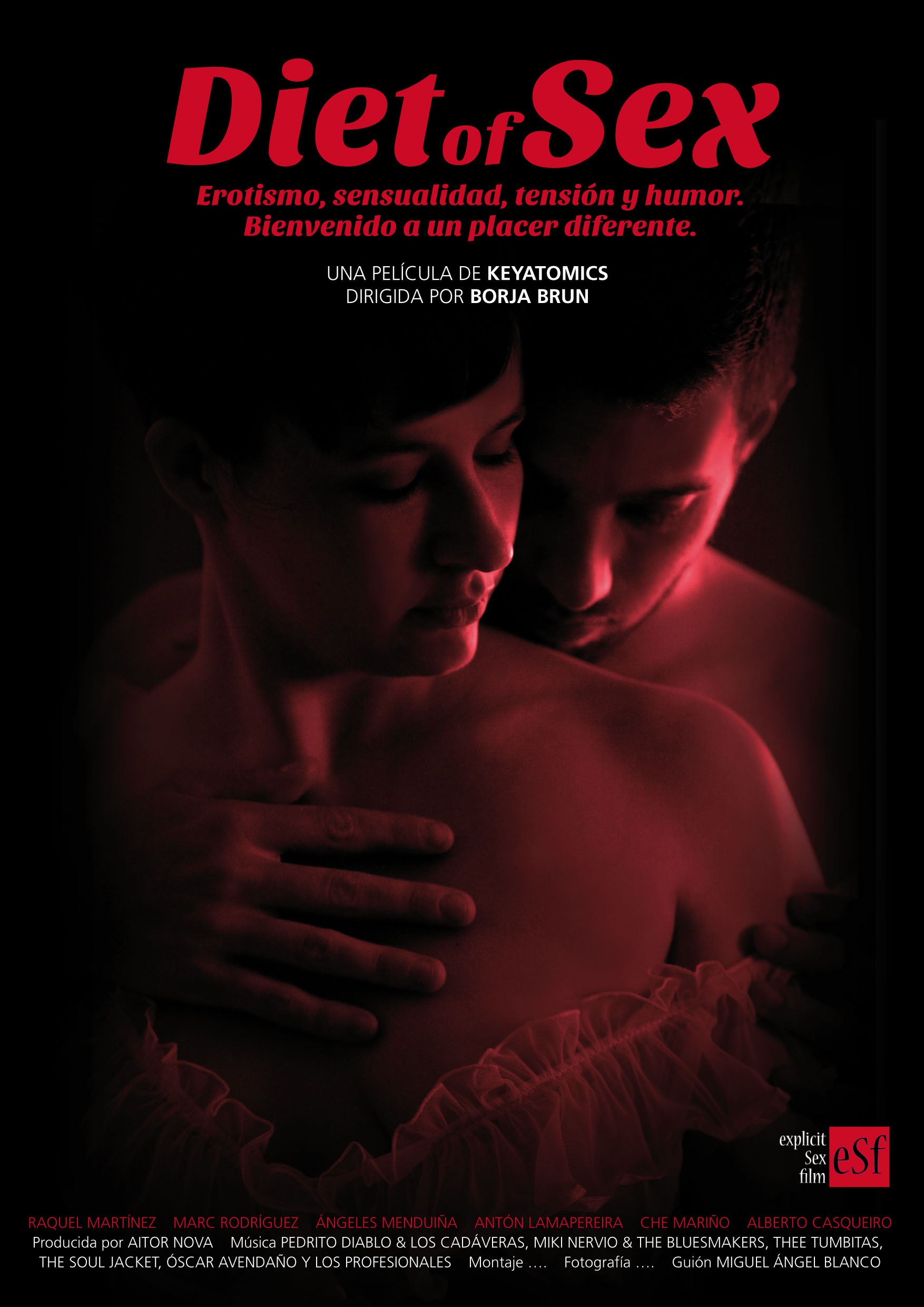
In 2014, Borja Brun directed Diet of Sex, a feature film that incorporated non-simulated sexual intimacy within a fictional narrative. The decision presented a challenge far beyond mere explicit nudity: how to direct actors performing real sexual acts while remaining fully within character, how to organize the set technically, and how to craft those images into genuine cinema. In this masterclass interview, Brun unpacks the artistic and technical architecture of the shoot: rehearsal methods, two-camera setups, unexpected physical responses, dramatic climax construction, and an urgent cultural question: why do we effortlessly accept graphic screen violence while remaining terrified of natural human intimacy?
I. The Defining Choice: Why Real Sex Over Simulation?
Borja Brun It would have lost absolutely everything. And there is a crucial point here: explicit imagery doesn't interest me primarily for the actor's experience—a trained actor is fully capable of faking sex. What matters to me is the viewer. We can take a tight framing, tilt up to a performer's face, and fake convincing pleasure. But what that conventional trick cannot do is show, for example, genuine penetration. And here lies my true artistic goal: it isn't about titillating the audience; it is about shattering the cultural distortion we have built around something entirely natural that mainstream cinema stubbornly hides.
Borja Brun Exactly, and there is a fascinating paradox here. Consider an extreme comparison, with all due irony: what would it add to an actor's performance if they were genuinely stabbed with a blade? Would the scene become artistically superior because blood was real? Of course not. Violence is easily faked. But faking sexual intimacy is infinitely harder. And why? Because the average viewer has never stabbed anyone; they have no firsthand sensory memory to verify the gesture. With sex, the opposite is true: almost every adult viewer has experienced intimacy. There is an intimate memory bank that directly challenges what they see. When you show non-simulated intimacy, you bypass theatrical disbelief and activate a completely different neural and emotional resonance.
II. The Meaning of Obscenity: What Remains Off-Screen
Borja Brun It is a word I find utterly unfitting for lovemaking, which is why it fascinates me. Beyond associations with dirt or ill omen, there is an etymological reading that is pure cinema: obscenity as that which is off-scene (ob-scena). The obscene is whatever culture decrees must remain hidden from view—something permitted to occur in secret, but forbidden on stage. And that is what I challenge: why must lovemaking remain off-screen? Why can cinema depict massacres, genocides, and torture with full institutional approval, yet brand natural sex as obscene? In Diet of Sex, my entire approach was bringing onto the stage what society dogmatically banishes into darkness.
III. The Sexual Climax as Dramatic Structure: The Strawberry Sequence
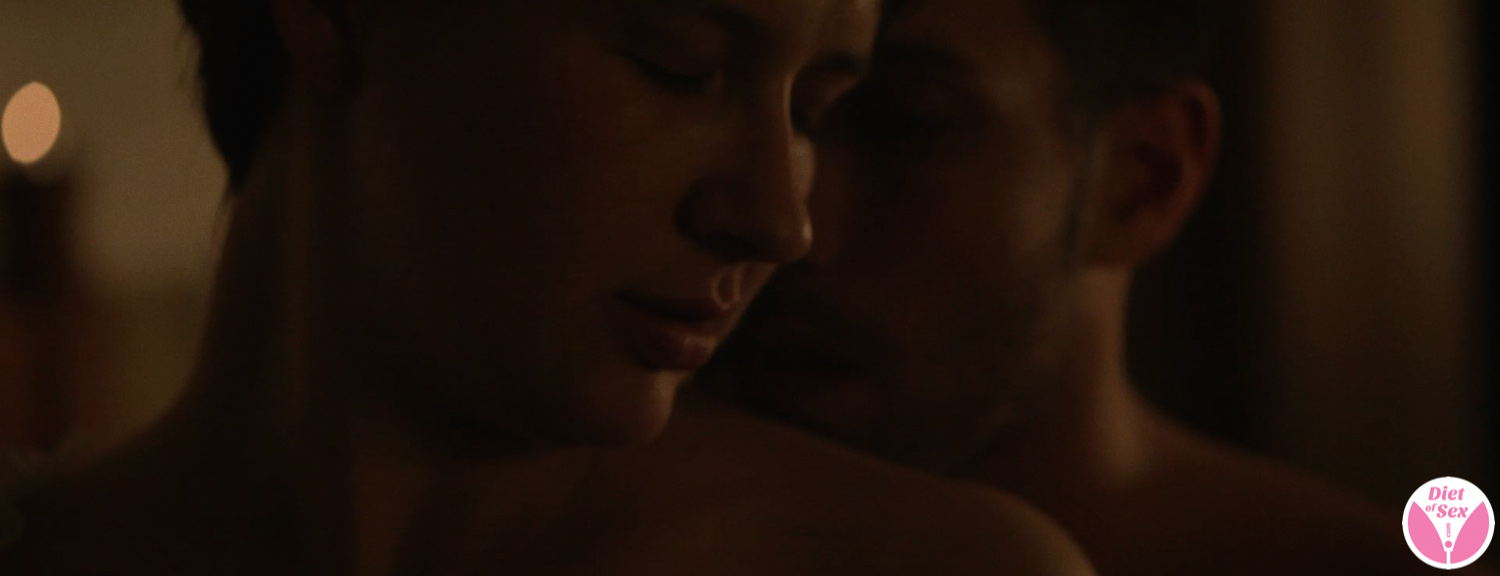
Borja Brun Take a car chase or a standoff: they build toward a release of tension. The viewer anticipates that resolution. A love scene follows the identical law: there is a biological climax and a narrative climax. In Diet of Sex, they are inextricably fused because the entire plot hinges on Ágata's psychological inability to reach that peak due to anhedonia. In the strawberry sequence, for instance, intimacy builds steadily until a deliberate staging element—the cold strawberries spilling over her face—breaks the spell. That physical shock externalizes an internal psychological blockade. Every movement was written and rehearsed like a waltz. There was zero improvisation in the bedroom blocking; an explicit agreement mediated by myself governed every touch.

IV. One Month of Rehearsals: Co-Living and Clothed Choreography
Borja Brun We scheduled a full month of preproduction, and I had the two lead actors live together in the apartment where we rehearsed, ensuring they forged authentic trust before cameras rolled. The first three weeks were devoted exclusively to script analysis and dialogue. During the final week, we mapped out the sexual choreography—with one non-negotiable rule: all rehearsals were conducted fully clothed. Not once did they rehearse nude. We rehearsed positions, weight distribution, and timing as if choreographing a stage duel. By shoot day, every doubt had been resolved. That is true directing: doing the deep work beforehand rather than barking orders on set.

V. When the Body is Real but Emotion is Fiction: The Unforeseen Response
Borja Brun That is a gripping artistic frontier. On our set, for instance, one of the leads was in a serious relationship off-camera. An actor must rigorously compartmentalize: you are executing real physical mechanics in service of a dramatic illusion. I instructed that all orgasms should be acted, because demanding real biological climaxes on cue with sound booms and camera monitors around is absurd. Yet one unscripted exception occurred: during an intense sequence, a genuine female ejaculation (squirt) took place. It was an involuntary biological reaction. And that underscores the reality of working with living bodies: regardless of precise choreography, flesh has its own truth. You must recognize the divide between involuntary physiology and cinematic storytelling.
VI. The Two-Camera Strategy and the Minimal Crew of Seven
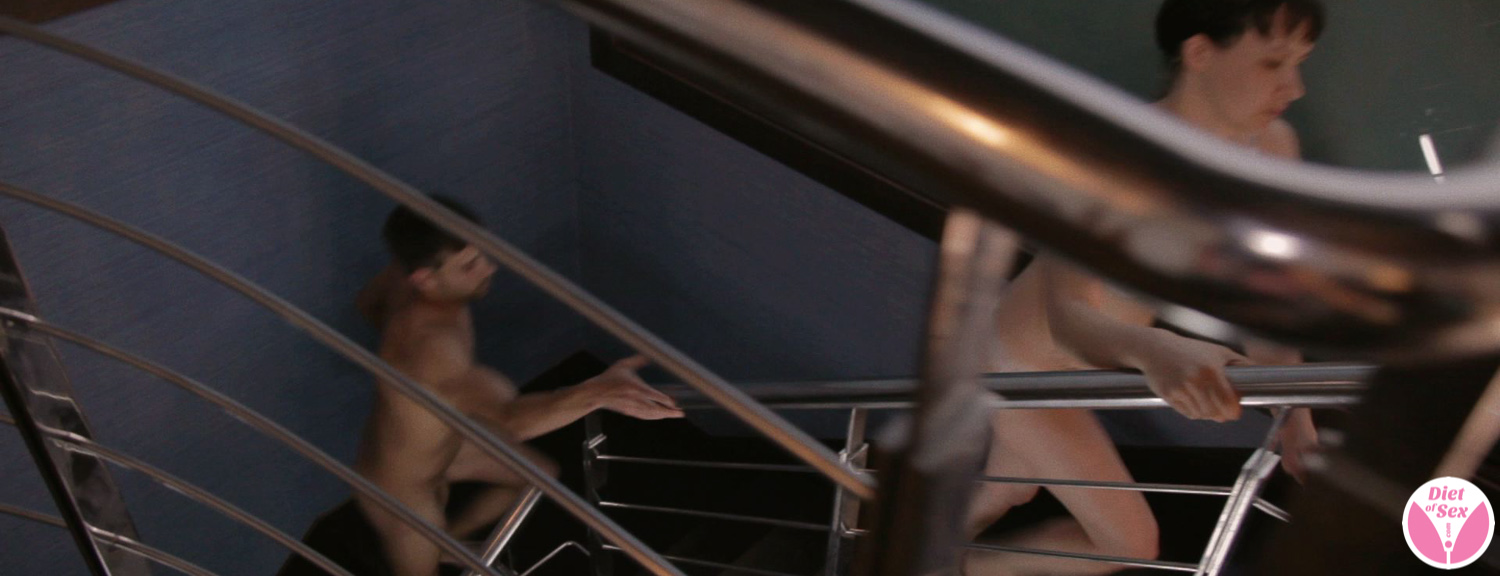
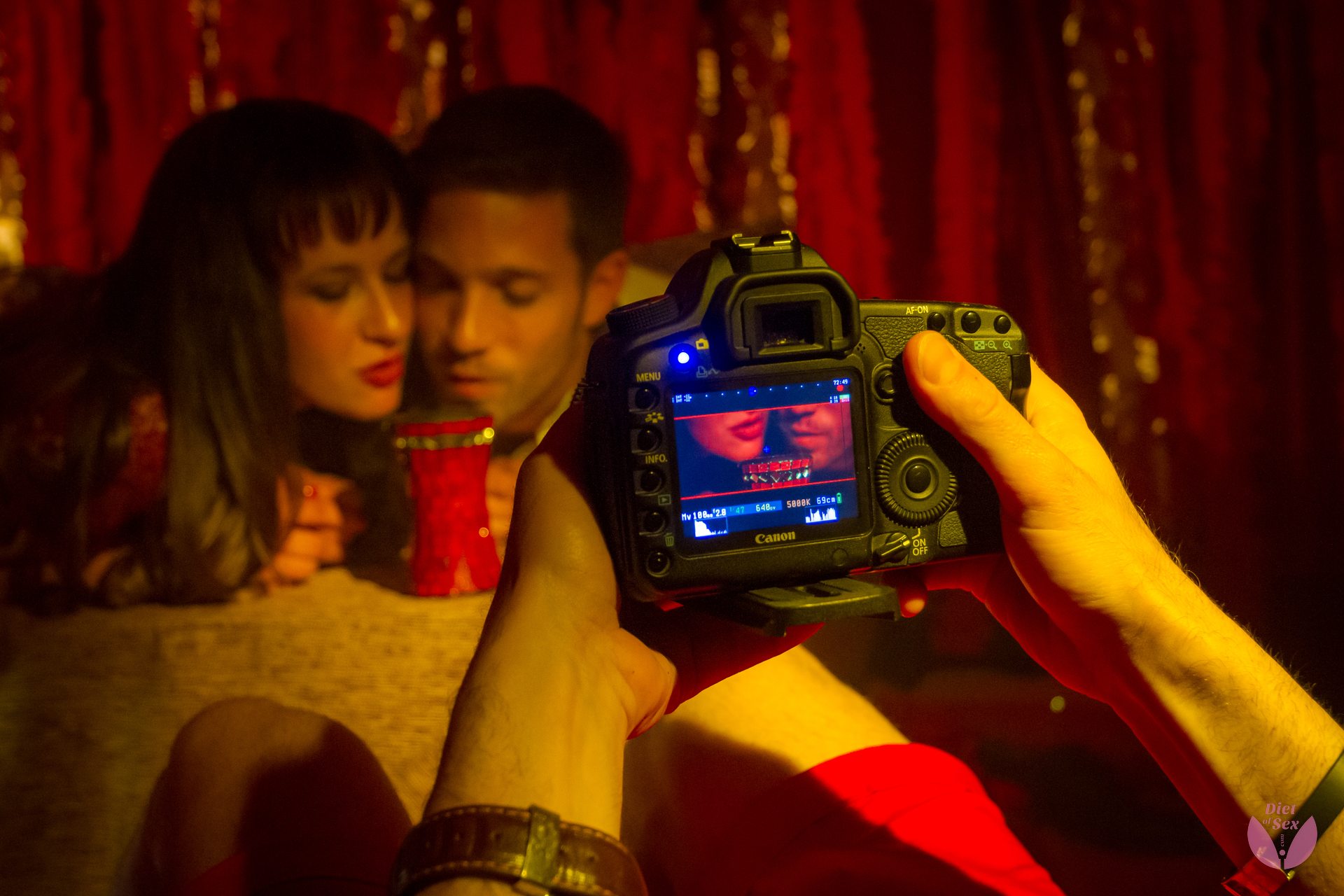
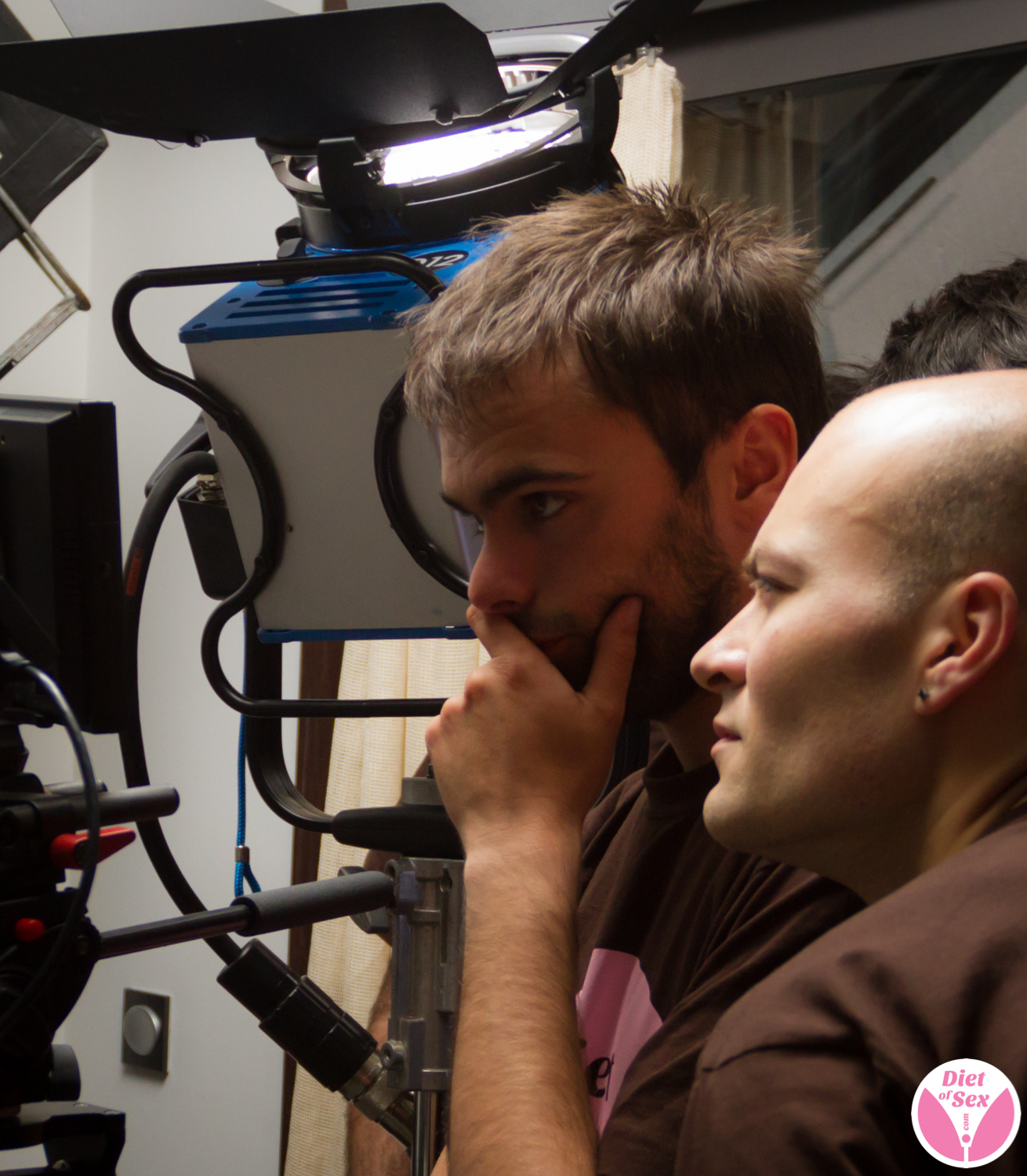
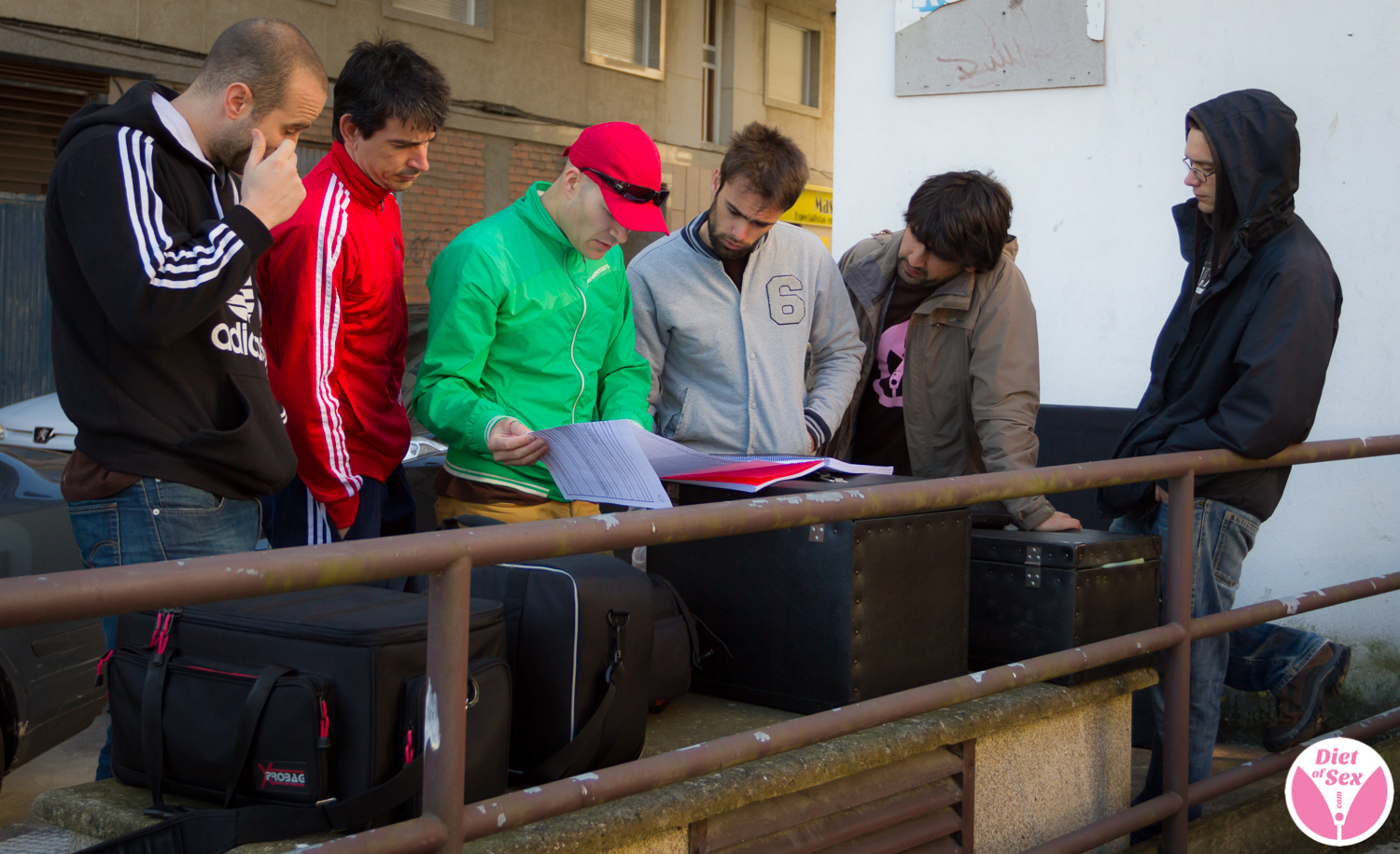
Borja Brun We broke each love scene down into six to eight sub-sequences, each filmed as an unbroken sequence-shot with two cameras running simultaneously: an anchor camera that secures the essential axis, and a roaming camera that takes visual risks. The master camera tracked the two indispensable focal points: the face (emotional performance) and the sexuality (physical action). The second camera hunted for evocative angles and close-up textures. Furthermore, I made it a strict rule never to shout 'Cut!' mid-take if something stumbled; I let the entire movement flow to protect their focus, sorting out the pieces later in editing. Our closed set numbered exactly seven people. A tiny crew translates into intimacy, minimal pressure, and a workspace where maintaining an erection or shedding clothes feels safe.

VII. «A Hollywood Movie, but with Sex»: Visual Craft and Silent Editing
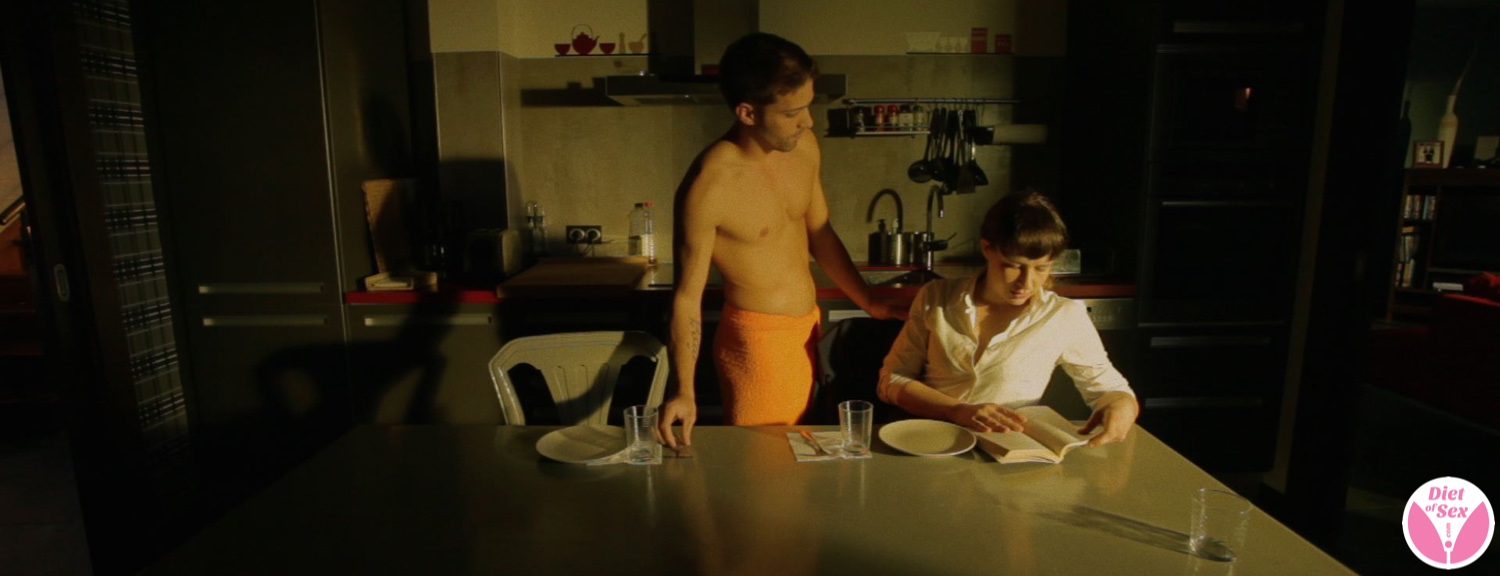
Borja Brun I demanded the polished aesthetic finish of a prestige studio film: nuanced lighting, cinematic glass, and balanced compositions. When German distributors praised the film as 'a Hollywood romantic comedy, but with real sex', I felt we had succeeded, because we completely sidestepped grimy exploitation. And in the editing suite, I adhere to a sacred rule: cut the scene in absolute silence, without music. Score is a seductive crutch; if you edit to music, the track dictates the pacing and you end up directing a music video. When you edit in silence, every cut is forced to rely on the actors' eyes, breath, and body language. Only when the dramatic architecture stands firmly on its own feet do we lay down the soundtrack.
VIII. From Imagination to Reality: Directing as Transformation
Borja Brun That a filmmaker must possess the courage to engage with any human experience without declaring taboos. In Diet of Sex, the physical intimacy is real, yet the work remains entirely a work of narrative art. True physical action does not negate directing or performance; it elevates both. Directing is taking words from a page, dismantling them in your mind into camera angles and emotional textures, and reconstructing them in physical space with empathy and technical precision. The enduring triumph of this film isn't merely having exposed what convention hides; it is having transformed it into tender, unforgettable cinema.