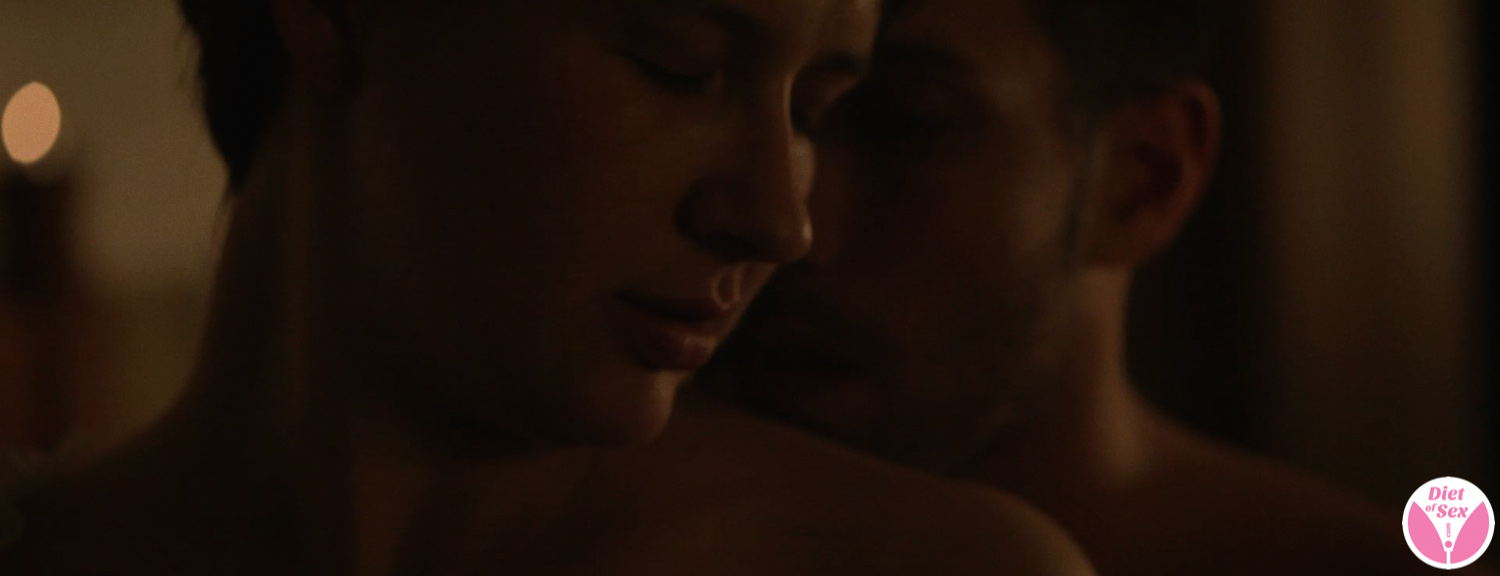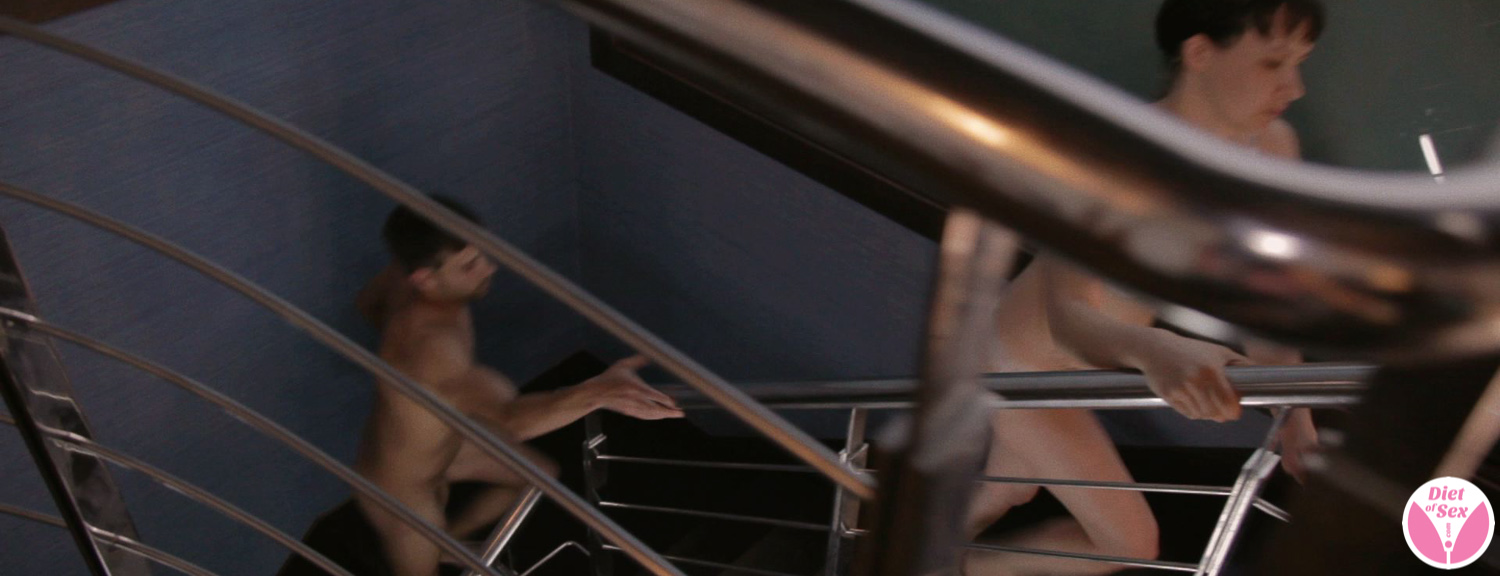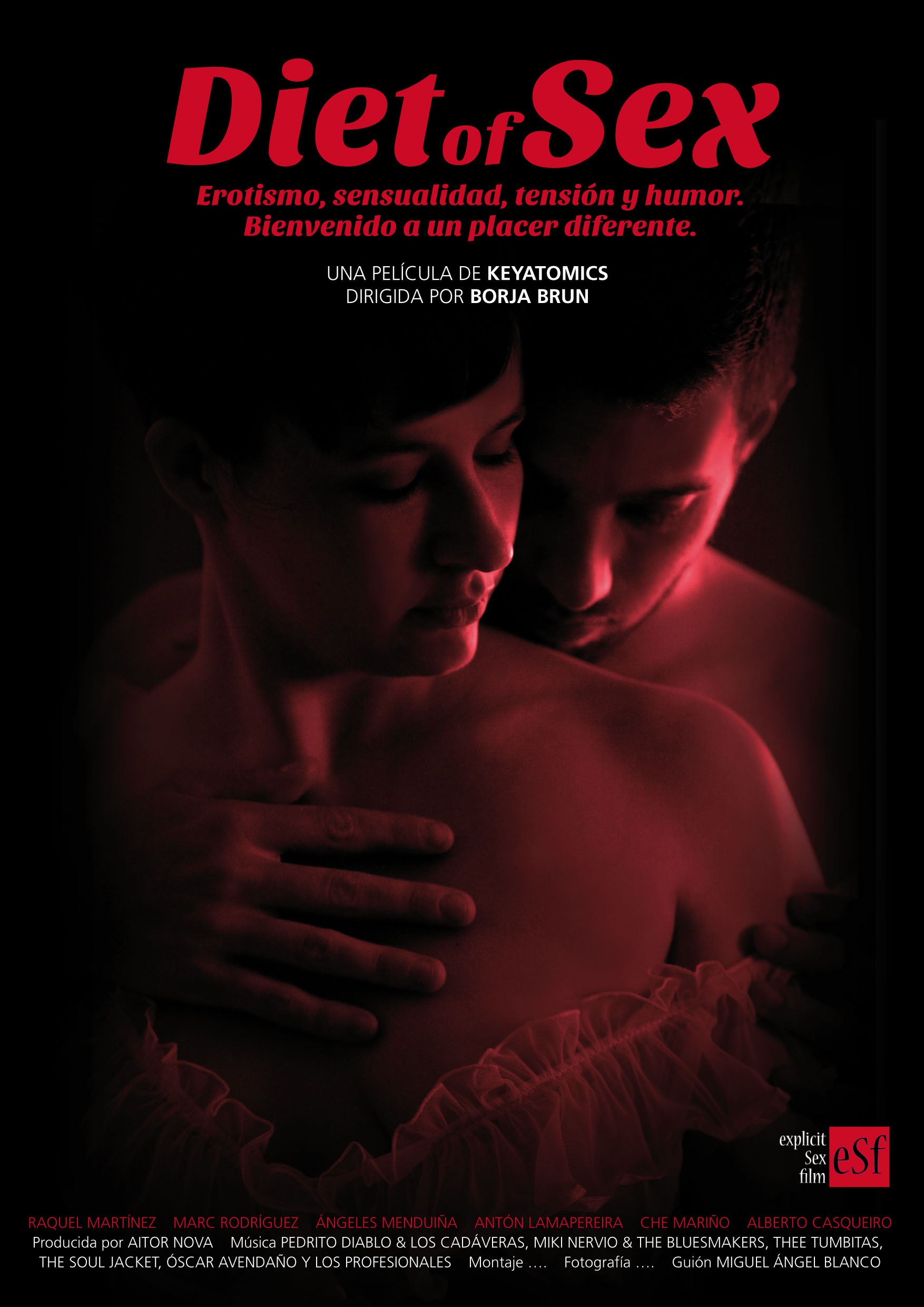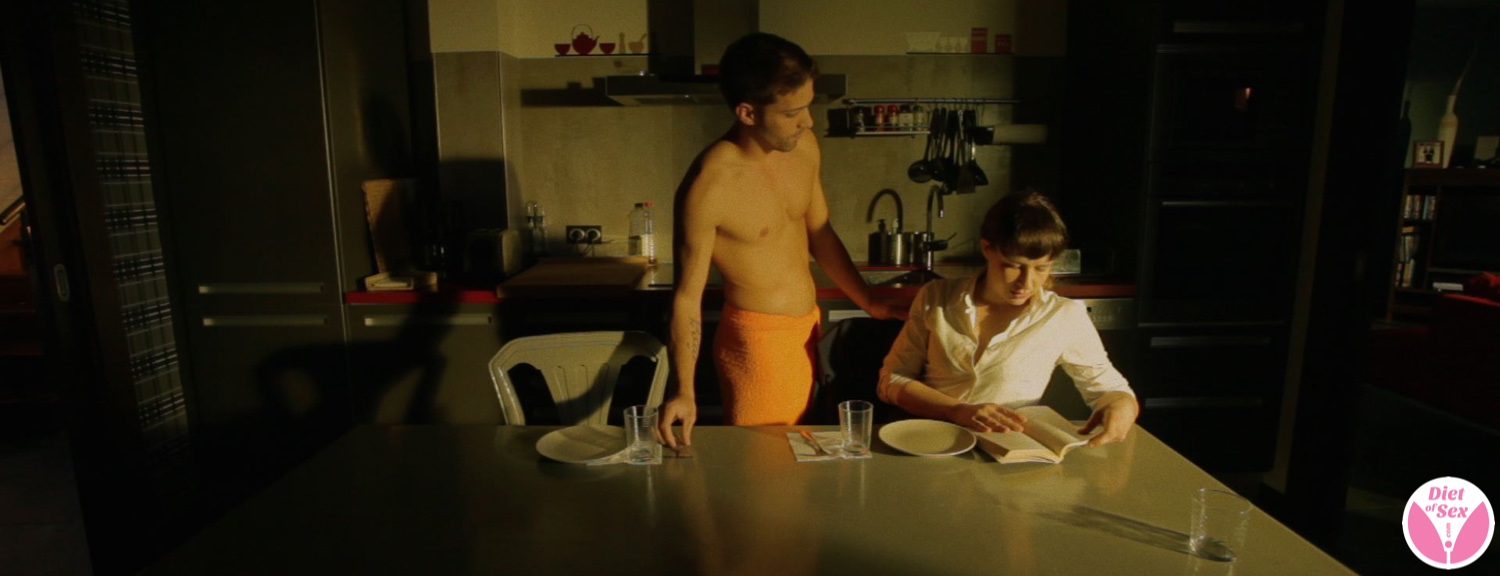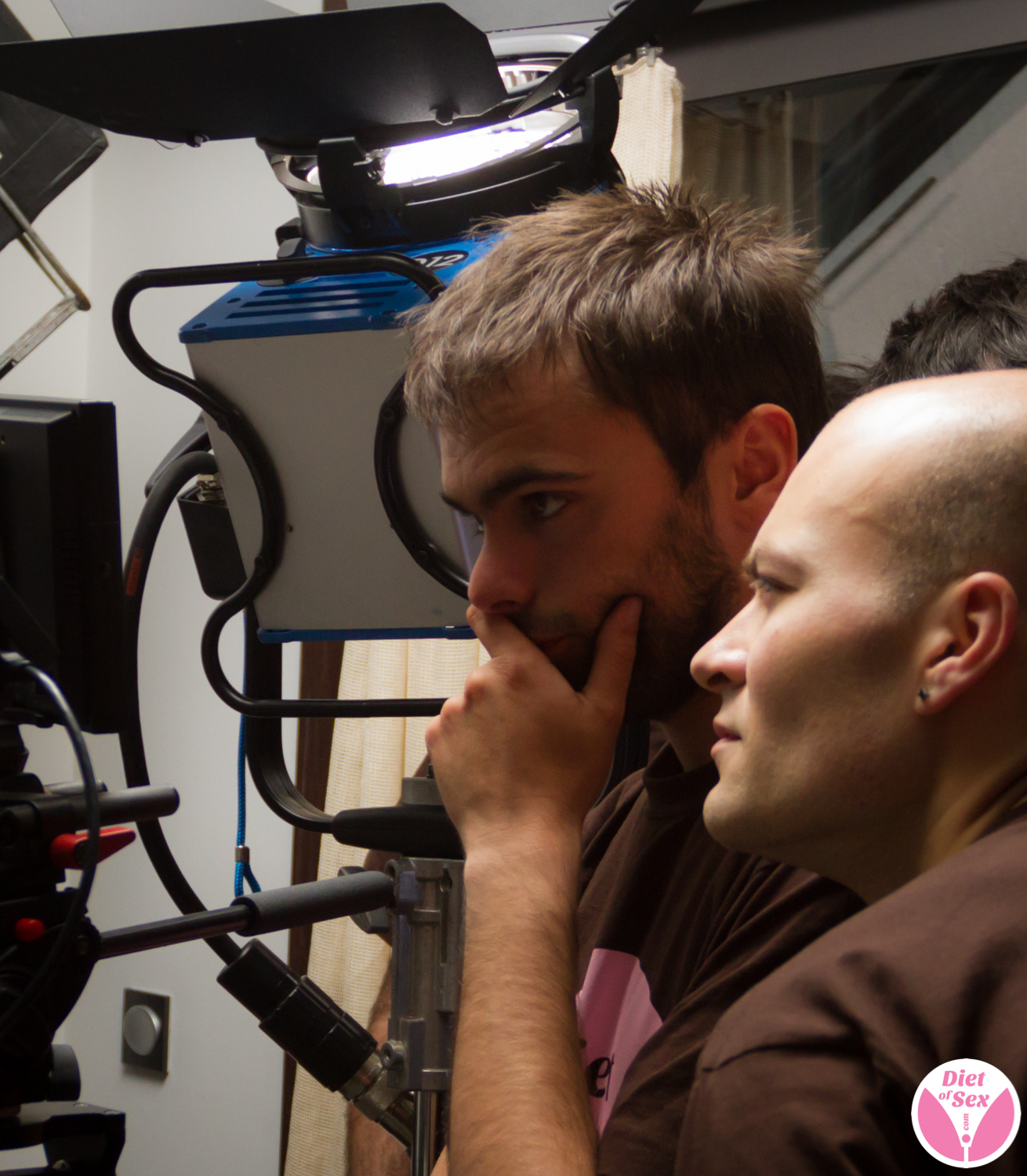
Filming Diet of Sex on location in 2014 was a bold artistic endeavor in European independent cinema: how to direct a romantic comedy featuring non-simulated intimacy while sustaining visual warmth, humor, and authorial elegance. Over several weeks of shooting in Vigo and across the Galician coast, our small production unit cultivated a protected set where culinary therapy, character psychology, and human trust became the foundational tools to bring an audacious script to life.
I. The Atlantic Setting: Vigo as Sanctuary and Sensory Awakening
Galicia was never merely a backdrop; it functioned as a living character. The estuary of Vigo, with its Atlantic mist, gentle diffused lighting, and tranquil rhythms, provided the ideal cinematic contrast to the urban numbness haunting Ágata. Her anhedonia—a psychological inability to experience sensory pleasure—demanded an environment where time moved differently. The sunlit apartment selected for the shoot, framed by wide windows welcoming Atlantic dawn, became a sanctuary where the cast could live and rehearse away from industrial movie studio pressures.
II. Sensory Therapy: Gourmet Cuisine vs. Emotional Numbness
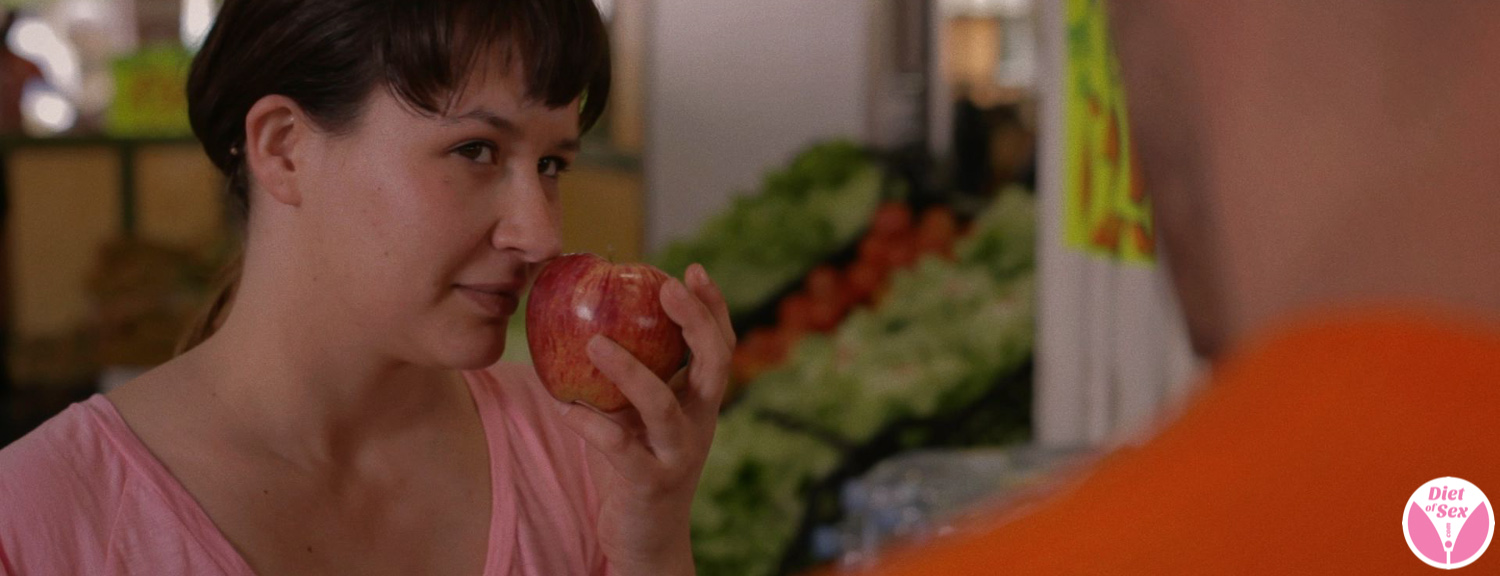
The dramatic core of the film rests on a powerful storytelling insight: when emotional disconnection resists verbal therapy, one must reawaken primal senses. The most direct bridge to sensory rediscovery is culinary art. During shooting, food scenes were never treated as plastic props: real dishes were prepared with fresh seafood from local harbors, delicate sauces, garden herbs, and fresh fruit. Engaging with textures, fragrances, and temperatures allowed physical affection to emerge organically from shared culinary enjoyment.
III. The Bedroom Compact: Rehearsing Clothed and a Seven-Person Closed Set
Directing unrated physical intimacy demands an unwavering code of professional care. Director Borja Brun implemented two cornerstone rules from day one: first, four weeks of rigorous preproduction rehearsals were conducted fully clothed, mapping spatial blocking and eye contact like a ballroom dance. When lights went up, ambiguity had been completely replaced by confidence. Second, the bedroom set was strictly limited to seven core technicians: camera operator, focus puller, sound recordist, gaffer, assistant, and director. This quiet respect gave actors complete creative safety.
IV. Two Cameras and Natural Light: Capturing Truth Without Exploitation
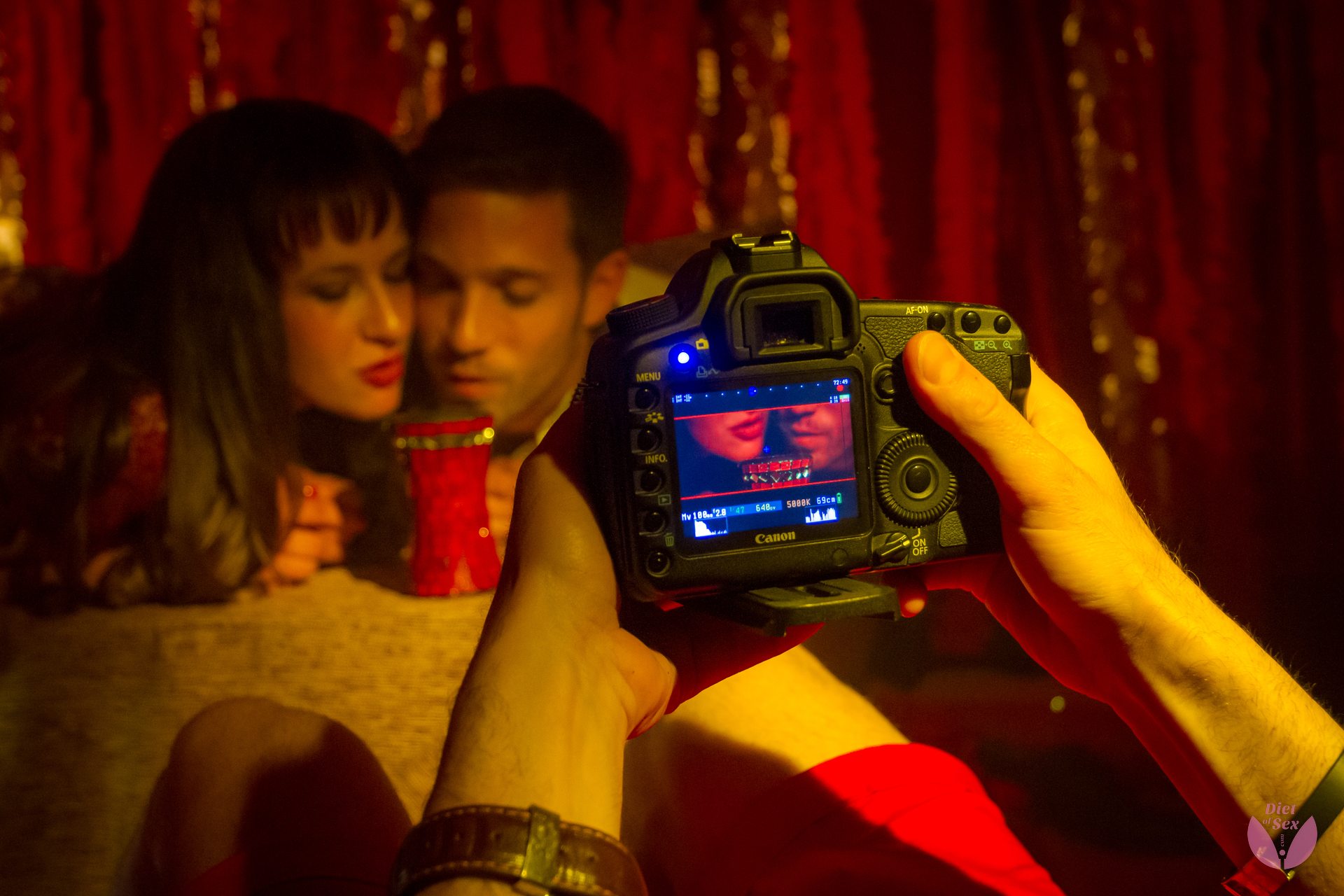
The defining aesthetic challenge was avoiding the flat, clinical glare typical of commercial adult content. To deliver high-end cinematic texture, the production utilized cinema lenses, warm natural lighting, and a dual-camera blocking system: the master camera tracked facial emotion, eye contact, and breathing, while the roaming camera caught delicate skin textures and unexpected angles. Takes were allowed to run continuously without abrupt interruptions, granting the final edit a fluid, tender cadence where humor and genuine intimacy blend seamlessly.
V. Heading to the Open Ocean: Coastal Climax and Global Acclaim
After weeks of interior shooting, the narrative blossoms onto the Galician seaside, where crashing waves and open beaches mirror Ágata's psychological liberation. Diet of Sex proved that feature cinema can embrace explicit human connection with honesty, warmth, and wit while upholding absolute narrative integrity. This rare harmony earned the award for Best Sex Scenes at the Las Vegas International Film Festival and official selection cataloging at the Berlin Independent Film Market, establishing the movie as an enduring cult favorite for couples and arthouse enthusiasts worldwide.